Excelling at Marine Construction: Designing and Installing Premier Docks, Seawalls, and Boat Lifts
The field of marine construction requires a nuanced understanding of multiple critical factors. Material choices, environmental factors, and regulatory requirements each play significant roles. The success of projects relies on ensuring structural integrity and mitigating corrosion. New innovations are surfacing, yet challenges persist. How can builders effectively integrate sustainability while maintaining functionality? Such solutions have the potential to reshape industry benchmarks.
Examining Ocean Ecosystems: Key Factors to Evaluate
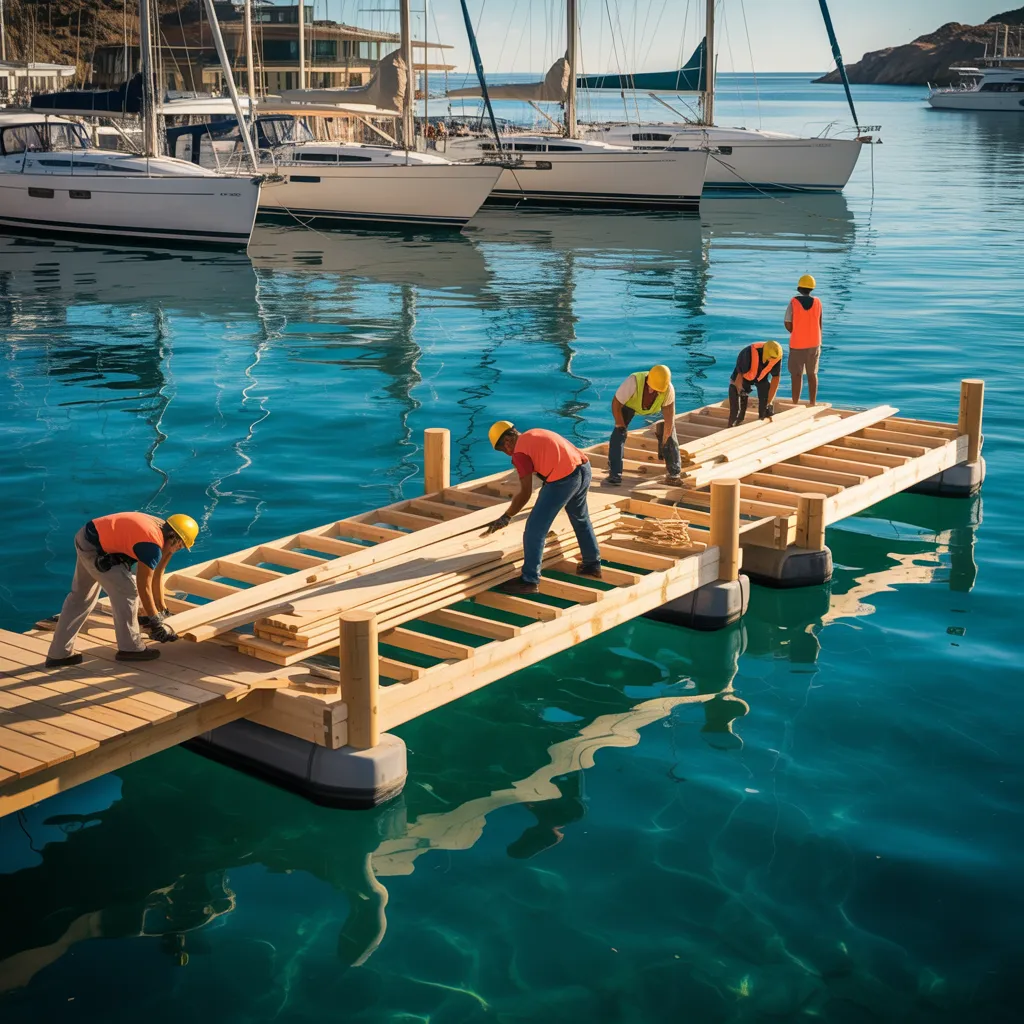
Coastal and marine settings introduce distinct challenges and factors for construction endeavors. Elements including tidal fluctuations, wave activity, and water currents significantly affect design and installation procedures. The high salinity levels in seawater can result in expedited corrosion of materials, demanding deliberate selection of construction methods and protective solutions. Moreover, the movement of sediment and ongoing erosion can affect the durability of structures including docks and seawalls, calling for detailed site analyses ahead of construction.
Environmental regulations also serve an important function, requiring compliance with standards designed to protect ocean ecosystems. This includes considering water quality and local wildlife habitats throughout the planning phase. Additionally, accessibility for construction equipment and personnel may be challenging in aquatic environments, introducing additional challenges to carrying out construction projects. Overall, understanding these key factors is critical to successful marine construction, making certain that built structures are safe, durable, and environmentally responsible.
What Materials Should You Choose for Docks and Seawalls?
Picking the appropriate choices for marine structures is important for guaranteeing effectiveness and durability. Numerous choices exist, all featuring distinct benefits and possible limitations. Additionally, environmental factors play a crucial role in selecting environmentally responsible materials while ensuring long-term stability.
Prime Material Alternatives
When choosing the right materials for docks and seawalls, it is essential to consider factors such as strength, environmental effects, and maintenance needs. Common choices include treated wood, which offers a traditional aesthetic but may require regular upkeep. Concrete is preferred for its durability and long lifespan, rendering it perfect for significant loads and challenging conditions. Vinyl and composite solutions deliver an easy-care option, withstanding deterioration and corrosion, even if the initial investment tends to be more substantial. Steel, notably galvanized or marine-rated varieties, is robust and suitable for industrial applications, though it requires protective coatings to prevent rust. Ultimately, the right material depends on individual location factors, designated purpose, and financial considerations, securing reliability and lasting quality in waterfront environments.
Ecological Factors
Since environmental concerns hold significant importance in the material selection process for marine structures and seawalls, the influence on nearby ecosystems must not be ignored. Environmentally responsible materials like recycled plastics, treated wood, and natural stone often stand out as beneficial selections. These materials not only minimize ecological disruption but also improve resistance to demanding marine environments. For instance, employing permeable materials can decrease runoff and support water clarity. Additionally, opting for non-toxic coatings and applications helps preserve underwater ecosystems. It is vital to assess the specific environmental context, including regional vegetation and animal life, before determining appropriate materials. By prioritizing eco-friendly options, marine construction can coexist with the natural environment, ensuring that construction benefits rather than damages the neighboring environment.
Key Regulations and Permits for Marine Construction
In the field of marine construction, grasping essential regulations and permits is vital for achieving successful project outcomes. Regional zoning ordinances govern where docks and seawalls can be built, while ecological impact evaluations assess possible effects on the surrounding ecosystem. Working through the permitting process is vital to maintain conformity with all legal requirements.
Local Zoning Ordinances
Local zoning regulations are fundamentally important in marine construction, particularly in the design and construction of seawalls and docks. These laws dictate land utilization, specifying where and how coastal structures can be built. Adherence to local zoning laws confirms that building projects are consistent with community objectives, the protection of the environment, and land use requirements. Certain permits are commonly needed, which may require the submission of detailed plans for review by local authorities. These regulations may also cover issues such as property boundaries, structure height, and setback requirements. Neglecting to follow these regulations can lead to penalties, including fines or the dismantling of unauthorized structures. Therefore, familiarizing oneself with local zoning laws is essential for successful marine construction projects.
Environmental Impact Evaluations
Environmental Assessment Reports (EIAs) are essential elements in the marine building process, particularly for projects involving docks and seawalls. These evaluations examine the possible ecological consequences of planned building operations on surrounding ecosystems, aquatic conditions, and animal habitats. Regulatory bodies commonly demand EIAs to secure conformity with environmental laws and standards. The methodology commonly includes gathering information on current conditions, stakeholder consultations, and establishing reduction strategies for harmful consequences. EIAs play an essential role in encouraging eco-friendly approaches in coastal development, guiding developers in making informed decisions that correspond with ecological preservation goals. Through emphasizing environmental factors, EIAs help balance development needs with the preservation of marine environments.
License Application Process
Navigating the permitting process for waterway construction demands careful attention to key regulations and permits that govern such undertakings. This procedure commonly includes obtaining approvals from local, state, and federal agencies, maintaining conformance with ecological statutes and land-use regulations. Applicants must provide thorough plans and paperwork, including environmental impact evaluations and site analyses. Essential permits typically encompass those from the Army Corps of Engineers, state environmental agencies, and local planning boards. Processing times can fluctuate, so timely outreach to regulatory authorities is vital to facilitate smoother approvals. Additionally, public consultation may be necessary, permitting affected parties to raise issues. Skillfully managing this complex landscape is necessary for any coastal development initiative to advance in a lawful and effective manner.
Design Principles for Durable and Aesthetic Marine Structures
Building marine structures that are structurally sound and visually appealing requires thoughtful attention to design fundamentals. As a starting point, materials must be sourced based on their resilience to harsh marine environments, such as corrosion-resistant metals and treated wood. Maintaining structural integrity is essential; designs should incorporate proper load distribution to endure the pressures of waves and water flow.
Furthermore, aesthetics are a key factor in the total visual impact of marine structures. Blending natural features, like greenery and color schemes that harmonize with the surrounding landscape, enhances visual harmony.
In addition, the importance of functionality cannot be ignored; designs need to support effortless access and operation while guaranteeing the safety of users.
To conclude, environmentally responsible approaches must be embedded within the design framework, utilizing eco-friendly materials and minimizing environmental impact. By combining long-lasting quality with attractive design, ocean construction endeavors can accomplish enduring results and visual appeal, effectively serving both practical and environmental needs.
Best Practices for Installing Marine Structures
Properly installing marine structures requires adherence to a set of best practices that guarantee both functionality and longevity. First, thorough site assessments are essential, including soil testing and hydrological studies, to inform design choices. Accurate measurements and alignment during construction prevent structural issues and enhance stability. Utilizing high-quality materials resistant to corrosion and marine wear is vital for durability.
Furthermore, employing experienced professionals ensures that the implementation follows applicable regulations and safety guidelines. Appropriate anchoring systems are required to withstand external forces, particularly waves and currents.
Ultimately, prompt assessments throughout and following installation help identify potential issues early, allowing for remedial actions before they escalate. Through adhering to these best practices, marine construction professionals can ensure that boat lifts, docks, and seawalls operate at their best while withstanding the demands posed by details marine environments.
Maintenance Tips to Extend the Lifespan of Marine Structures
Following confirmation of the correct installation of nautical structures, regular maintenance is vital for prolonging their service life. Regular inspections should be conducted to detect indicators of deterioration, such as cracks, corrosion, or loose fittings. Addressing these issues promptly can prevent more extensive damage. The cleaning of marine structures is equally essential; clearing away waste and algae buildup preserves both structural soundness and visual appearance.
In addition, implementing protective treatments can defend exposed surfaces from harsh marine environments. For wooden parts, treating with preservatives will deter deterioration and pest damage. It is also necessary to inspect and maintain any mechanical equipment, such as marine lifts, to provide proper and safe functionality.
Additionally, routine seasonal care, especially before and after winter, can reduce potential weather-related damage. Through adherence to such maintenance protocols, dock and marine frameworks can not only survive harsh conditions but also offer consistent functionality for many years, ultimately enhancing their long-term value and operational efficiency.
Revolutionary Trends in Marine Construction: What's Coming Next?
As the marine construction industry evolves, innovative trends are emerging that promise to enhance both sustainability and efficiency in the design and installation of structures such as docks and seawalls. One significant trend centers on the utilization of eco-friendly materials, like recycled plastics and sustainably sourced timber, which minimize environmental impact while preserving structural integrity. Additionally, advancements in modular construction techniques allow for quicker, more adaptable installations, limiting disturbances to marine ecosystems.
Another notable advancement is the integration of advanced technology. Monitoring systems and sensors can supply real-time data on building integrity and environmental factors, supporting proactive maintenance and reducing long-term costs. Additionally, biophilic design principles are becoming increasingly popular, advocating for structures that integrate with surrounding ecosystems and sustain local biodiversity.
In combination, these trends signal a transition towards more sustainable and groundbreaking marine construction approaches, setting a new standard for upcoming developments and confronting the growing pressures posed by urbanization and climate change.
Frequently Asked Questions
How Do Tides Affect Dock Design and Installation
Tides greatly influence dock design and installation by dictating structural stability, elevation, and accessibility. Engineers must account for tidal ranges to ensure safety and functionality, adapting designs to withstand fluctuating water levels and environmental factors.
What Are the Ecological Effects of Marine Construction?
Coastal development can disrupt nearby natural habitats, change the natural movement of water, and impact the movement of sediments. Additionally, these projects can cause habitat loss for marine life and result in pollution, calling for thorough ecological evaluations and sustainable practices.
Can I Build a Dock Without a Professional Contractor?
Building a dock without a licensed contractor is feasible, but it necessitates extensive knowledge of local regulations, structural integrity, and environmental considerations. DIY dock construction could cause potential safety hazards and compliance issues if not carried out properly.
What Should I Consider When Choosing the Ideal Location for My Boat Lift?
To select the best placement for a boat lift, one must consider water level depth, distance from navigational waterways, tidal fluctuations, and possible obstacles. Furthermore, examining local ordinances and ecological impact is critical for optimal placement.
What Insurance Do I Need for Marine Construction Projects?
For marine construction undertakings, comprehensive insurance coverage usually incorporates general liability coverage, worker's compensation, and marine-specific policies. This safeguards against potential damages, accidents, and liability claims, securing financial peace of mind throughout the project and into the future.